
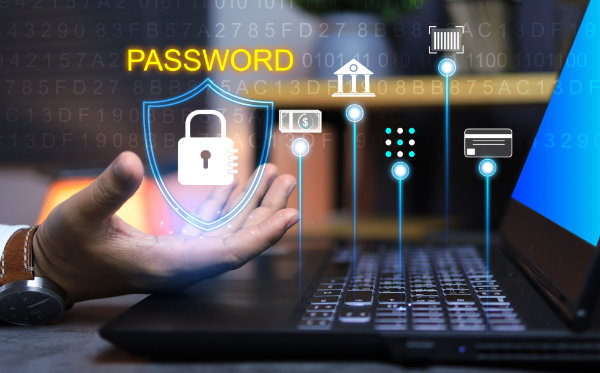
importance of using strong, unique passwords in your IT infrastructure
In the rapidly evolving landscape of technology, cybersecurity is more critical than ever. With cyberattacks becoming increasingly sophisticated, businesses and organizations are continually seeking ways to safeguard their IT infrastructure. One of the most basic yet crucial components of a robust security framework is the use of strong, unique passwords. These passwords act as the first line of defense against unauthorized access to sensitive data, networks, and systems. This article explores why strong, unique passwords are vital for securing IT infrastructure and how they protect against a wide array of potential threats.
Why Strong, Unique Passwords Matter
Defense Against Brute-Force Attacks
Brute-force attacks remain one of the most common and straightforward methods hackers use to gain unauthorized access to systems. These attacks involve an attacker using automated tools to try various combinations of usernames and passwords until they find the correct one. If a weak or commonly used password, like “password123,” is employed, the attacker can breach the system in a matter of minutes.
Strong passwords, by contrast, significantly raise the difficulty level for such attacks. A password that combines uppercase and lowercase letters, numbers, and special characters is much more difficult to crack. Moreover, the longer the password, the more computational power and time it takes to break. In this way, a strong password serves as a primary safeguard against brute-force attacks, ensuring your IT infrastructure remains secure even when targeted by such automated efforts.
Mitigating Credential Stuffing
Credential stuffing is another common cyberattack where hackers use login credentials stolen from one service and attempt to reuse them across different platforms. This attack is highly effective because many users tend to reuse passwords across multiple accounts. If an attacker obtains login information from a breached account, they can use the same username and password to access other systems, including corporate networks.
By ensuring that all users in your IT infrastructure utilize strong, unique passwords for each account, you can effectively mitigate the risk posed by credential stuffing attacks. Even if one password is compromised, unique passwords prevent the attacker from gaining access to multiple systems, thereby containing the potential damage.
Protecting Administrator and Privileged Accounts
Administrator and privileged accounts have a higher level of access to IT infrastructure, often with the ability to manage user permissions, modify system settings, and access sensitive data. If a hacker gains access to an administrator account, they can control the entire system, steal data, or execute malicious commands that could result in a network-wide breach.
Using strong, unique passwords for these accounts is particularly critical because they are frequent targets of cyberattacks. Weak passwords can provide hackers with an easy entry point into the core of your IT systems. A unique password for each privileged account ensures that even if one account is compromised, the attacker cannot use the same credentials to access other high-level accounts, providing an additional layer of security.
The Consequences of Weak Passwords
The use of weak passwords can have devastating consequences for an organization’s IT infrastructure. Some of the potential risks include:
Data Breaches
Weak or reused passwords are one of the leading causes of data breaches. A data breach can result in the loss of sensitive information such as customer data, financial records, or intellectual property. Such breaches can lead to substantial financial losses, legal ramifications, and irreparable damage to an organization’s reputation.Ransomware and Malware Infections
Cybercriminals often exploit weak passwords to install malware or ransomware on company systems. Once inside, they can encrypt critical data and demand a ransom for its release, crippling business operations and causing significant downtime. By implementing strong password policies, organizations can reduce the likelihood of these types of attacks.Unauthorized Access to Critical Systems
Weak passwords can grant unauthorized users access to key systems, allowing them to disrupt operations, modify files, or launch further attacks on the network. This type of access can also lead to operational failure, data corruption, and financial losses.
Best Practices for Creating and Managing Strong Passwords
To fully protect your IT infrastructure, it’s not enough to simply enforce the use of strong passwords. Organizations must also implement best practices for password creation, management, and maintenance. Below are some essential tips:
Create Lengthy and Complex Passwords
A strong password should be at least 12-15 characters long and consist of a mix of uppercase and lowercase letters, numbers, and special characters. Avoid predictable patterns such as “password123” or common phrases that are easily guessable.Use Unique Passwords for Every Account
Never reuse passwords across different accounts or systems. Each password should be unique to reduce the risk posed by credential stuffing attacks.Implement Two-Factor Authentication (2FA)
Two-factor authentication adds an extra layer of security by requiring users to provide two forms of identification when logging in. Even if a password is compromised, the second factor, often a code sent to a mobile device, will prevent unauthorized access.Regularly Update Passwords
Passwords should be changed on a regular basis, particularly for high-privilege accounts. This practice ensures that even if a password is compromised, it won’t remain effective for long.Use Password Managers
Password managers can help generate strong, unique passwords and store them securely. This eliminates the need for users to remember complex passwords and reduces the temptation to reuse them across multiple accounts.
Conclusion
Using strong, unique passwords is an essential component of IT infrastructure security. They protect against a range of threats, from brute-force attacks to credential stuffing, and help prevent unauthorized access to critical systems. Implementing password best practices, such as regularly updating passwords and using password managers, can further enhance security and reduce the risk of breaches. By making strong passwords a priority, organizations can significantly bolster the security of their IT infrastructure and safeguard their data, systems, and users.
Get InTouch with us
We’d love to hear from you! Whether you have questions about our services, need assistance, or want to provide feedback, we’re here to help.