
Keep Your Data, Your Data
What is MFA - How does it help?
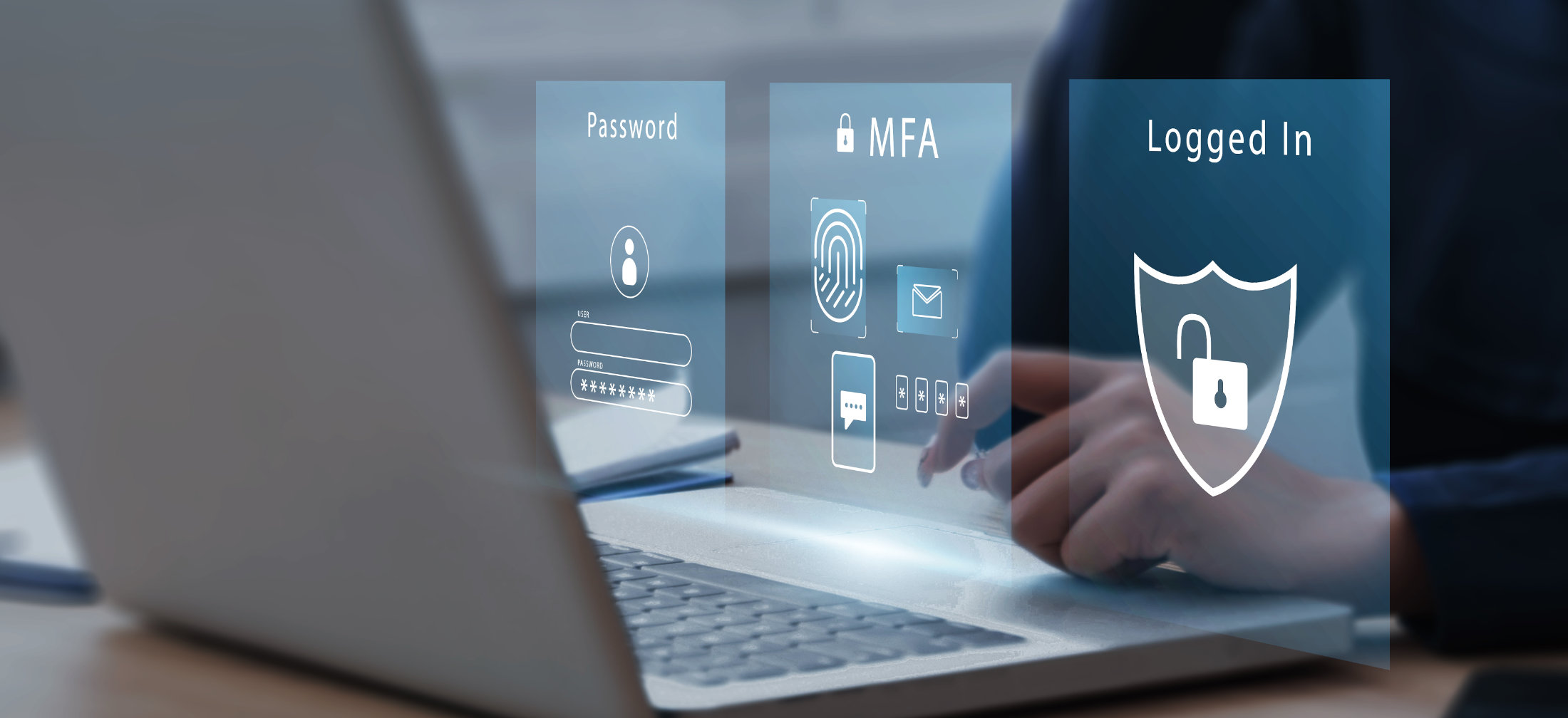
MFA stands for Multi-Factor Authentication. It’s a security measure used to verify a user’s identity by requiring multiple credentials. Instead of just asking for a username and password, MFA requires additional verification steps, typically something you know (like a password) combined with something you have (like a smartphone or a security token) or something you are (like a fingerprint or facial recognition).
The idea is to add layers of security to protect sensitive information or systems. Even if someone manages to obtain your password, they would still need access to your second factor (like your phone) to complete the authentication process, making it much harder for unauthorized users to gain access. MFA has become increasingly important in the digital world to combat identity theft and unauthorized access to accounts and systems.
What is the difference Between - MFA, 2 Factor Auth, Auth0?
MFA (Multi-Factor Authentication), 2FA (Two-Factor Authentication), and Auth0 are related but different concepts:
Multi-Factor Authentication (MFA): MFA is a security method that requires multiple forms of verification from independent categories of credentials to authenticate a user’s identity. These factors usually fall into three categories: something you know (like a password or PIN), something you have (like a smartphone or security token), and something you are (like a fingerprint or facial recognition). By requiring two or more of these factors, MFA adds an extra layer of security to prevent unauthorized access.
Two-Factor Authentication (2FA): 2FA is a subset of MFA and specifically refers to the requirement of two different forms of authentication to access an account or system. Typically, this involves combining something you know (like a password) with something you have (like a smartphone or security token). While MFA can involve more than two factors, 2FA specifically refers to the use of two factors.
Auth0: Auth0 is a service that provides authentication and authorization solutions for web, mobile, and legacy applications. It offers features like Single Sign-On (SSO), social login, multifactor authentication, and user management. Auth0 simplifies the implementation of authentication and authorization processes for developers by providing an identity platform as a service (IDPaaS).
In summary, MFA is a broader concept that encompasses the use of multiple factors for authentication, while 2FA specifically refers to the use of two factors. Auth0, on the other hand, is a service that provides authentication and authorization solutions, including support for MFA and 2FA.